
Introduction
The Indian Super League has quickly become one of the most popular football leagues in Asia, changing the way people in India think about football. Since it started, the league has drawn in international stars, skilled domestic players, enthusiastic fans, and strong business support. Fans, analysts, fantasy football players, and academics who want to learn more about how teams play, how players contribute, and how the league has changed over time need to know how to read indian super league stats. Statistics show more than just the score; they also show patterns in strategy, consistency, dominance, and areas that need work throughout the course of a season.
The indian super league stats, is a mix of entertainment and competitive football. Every season brings in new data that helps track progress, success, and legacy. Stats give a full picture of how the league works and how it stacks up against other Asian tournaments, from goals scored to defensive strength, from home advantage to away performance.
The Indian Super League’s Growth Through Numbers
At first, the league had a short season format, but over time it grew in terms of the number of matches, teams, and competition. In the early seasons, there were a lot of high-scoring games and new strategies. In the more recent seasons, the teams have gotten better at organizing their defenses and using more mature tactics. When looking at the indian super league stats, it’s easy to see how the league has gone from being a work in progress to a more organized and competitive tournament.
Over time, match averages have changed. Earlier seasons had higher goal-per-match ratios since defenses weren’t always strong and attackers had more freedom. In contrast, the scores in recent seasons are more even since teams are adopting tight formations, pressing techniques, and controlled possession. These changes show how experienced coaches and effective youth development systems have made a difference.

Analysis of Team Performance and League Standings
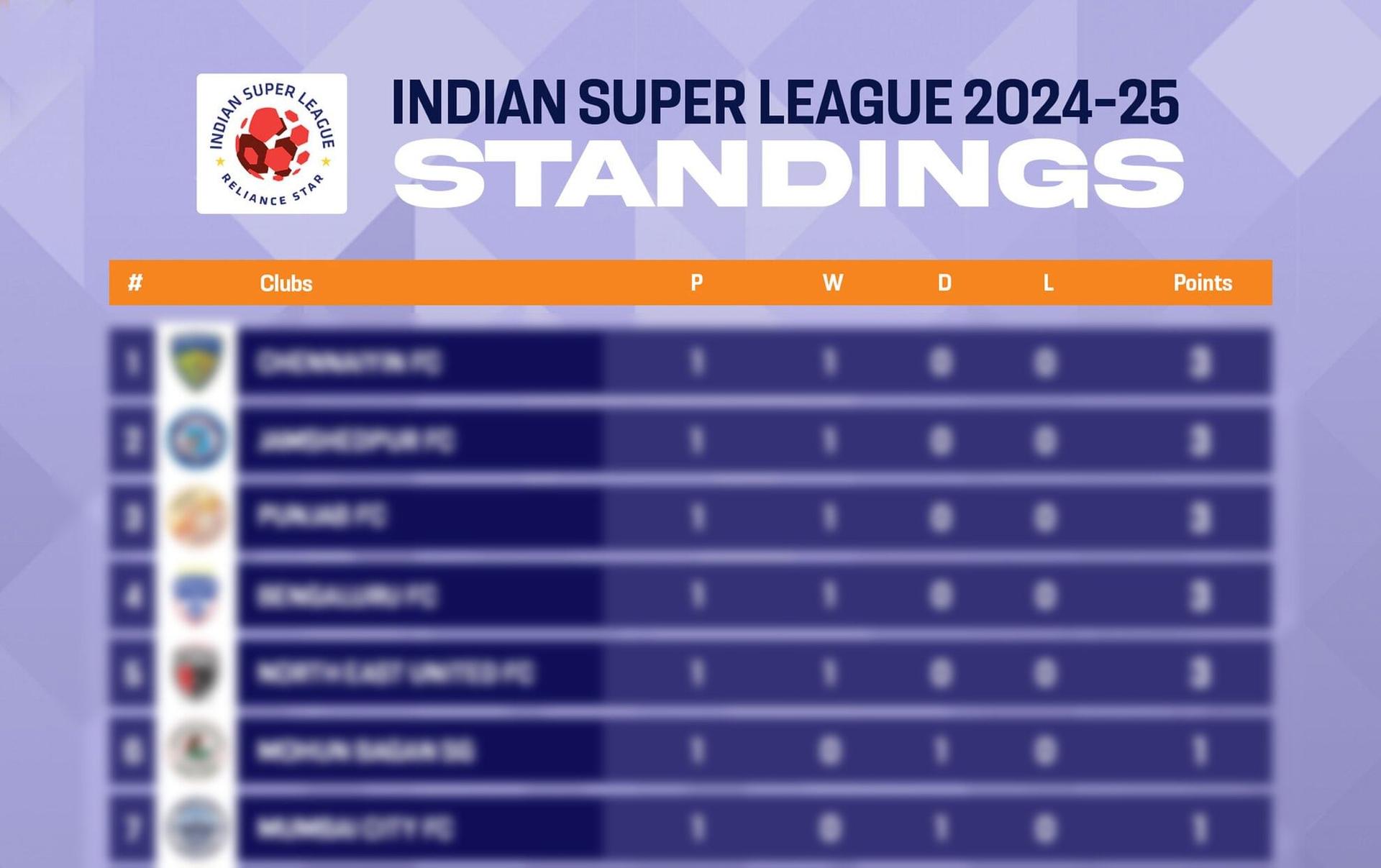
The league’s team-based stats are among of the most popular things to monitor. The number of wins, draws, defeats, goals for, goals against, and points a club gets in a season shows how well it did. Some clubs have been known for always playing well and making the playoffs, while others have had ups and downs in their form.
In the league, playing at home is a big deal. Statistical trends demonstrate that clubs tend to get more points at home, thanks to the presence of fans and their knowledge of the pitch conditions. But how well a club plays away from home is generally what sets title contenders apart from normal teams. Teams that play well on the road frequently finish higher in the standings.
Another important measure is goal difference. Teams who attack well and play disciplined defense always come out on top. Over the course of several seasons, cumulative data shows which clubs are able to stay stable over time and which have trouble adjusting.
Trends in scoring goals and attacking metrics
Goals are what football is all about, and a lot of the numbers for the Indian Super League are about goals. The league’s attacking quality has steadily improved, with strikers and attacking midfielders making a big difference in the number of goals scored. Some seasons, players have scored more than ten goals, becoming fan favorites and league icons.
Important attacking numbers include shot accuracy, conversion rate, and opportunities generated. Even when possession is evenly split, teams that make a lot of clear-cut chances usually win games. Cross completion, through balls, and set-piece effectiveness are other things that affect how well an assault goes.
People generally look at penalty goals and goals scored during open play separately. A larger percentage of open-play goals usually means that the attack is better coordinated. On the other hand, a heavy reliance on penalties may mean that there isn’t much innovation in the attacking areas.
Statistics on Clean Sheets and Defensive Records
Defense wins championships, and defensive stats are just as essential. How successfully a team handles pressure from the other team is shown by how many clean sheets, tackles, interceptions, and blocks they make. Over the years, the league’s defensive organization has gotten a lot better, and goalkeepers have been a big part of that.
Clean sheet stats show how important it is for defenses to be organized and for players to press well. Teams who let up fewer goals usually go further in the playoffs. A goalkeeper’s saves, how well they distribute the ball, and how well they control the penalty area all have a big role in how well the defense works as a whole.
When you look at indian super league stats from a defensive point of view, you can see that teams that are well-balanced tend to do better than teams that rely only on attacking prowess. Strong defensive records also show that players are better at managing matches, especially when they are tight.
Individual Records and Player Performance
Individual player stats add another element to league analysis. Goals, assists, minutes played, pass accuracy, and contributions on defense are all ways to measure a player’s overall effect. Some players are great at more than simply scoring; they are also great at building up play and leading on the field.
Assist charts are very essential because they show creative players who control the pace of the game and break down defenses. Midfielders that get a lot of assists are often very important to the success of their team. Passing accuracy and critical passes are other ways to show how good a player’s technical skills and decision-making are.
Disciplinary stats, including yellow and red cards, also affect how many players are available and how well the squad works together. Players who are always disciplined tend to keep things stable, although suspensions might mess up tactical strategy.
Tactical Information from Game Data
A lot of modern football, like the Indian Super League, depends on data-driven analysis. Possession percentages, passing networks, pressing intensity, and defensive lines can all help us understand how teams play. Some teams want to play possession-based football, while others like to play counter-attacking football.
Teams influence the pace of the game by looking at things like passes per minute and transitions. Teams who press high often force turnovers in the attacking third, which leads to quick scoring chances. When you look at the full information for numerous indian super league stats, you can see these tendencies very clearly.
Another tactical factor is how well set pieces work. Goals from corners and free kicks may make a big difference in close games, especially in the playoffs when the margins are thin.
Trends in statistics from season to season
Looking at statistics from different seasons might help you find areas where you can improve and problems that keep coming again. The league’s growth has led to more matches, which gives us more data to work with. Over time, the average possession rate, passing accuracy, and defensive duels have all gotten better.
Stats have also changed because of the addition of younger players from the home country. More playing time for Indian players has resulted to higher development metrics and more balanced contributions from the whole team. More tackles, interceptions, and advanced passes from homegrown players show that young people are getting involved.
Tracking the indian super league stats from season to season also helps clubs make plans for hiring new players and setting long-term growth goals.

Statistics for Playoffs and High-Pressure Matches
Statistically, playoff games are often different from regular-season games. They are usually more careful, tighter, more strategic. Usually, the average number of goals goes down, while the number of fouls, duels, and defensive activities goes up.
In these games, clutch performance measures become very important. In the playoffs, players who do well under pressure tend to have better shot accuracy and defense. Goalkeepers, in particular, have higher save percentages during the knockout rounds.
Looking at postseason data can tell you a lot about mental toughness, flexibility, and experience, all of which are important for winning a championship.
Interest in statistics and fan engagement
As the league has expanded, so has the interest in statistics. Fans now actively look at match data, player ratings, and performance charts. Accurate and precise league numbers are very important for fantasy football sites and analytical conversations.
After a player has a great statistical performance, such a hat trick, a record-breaking clean sheet, or an unbeaten run, social media activity often goes up. This increased interest shows that fans know more about football than just the final scores.
Knowing the analytics of the Indian Super League makes watching it more fun since it helps spectators see tactical details and individual greatness.
The Future of Statistical Analysis in ISL
As technology gets better, the league’s data collection should get even more detailed. Wearable tracking, advanced analytics, and AI will probably help us learn more about how to keep players fit, manage their workloads, and avoid injuries.
Clubs that make good use of data are more likely to get ahead of their competitors. More and more, statistical models are used to help with hiring, training, and getting ready for matches. This tendency means that stats will have an even bigger impact on the league’s future.
The league’s worldwide reputation will also rise as analytical coverage continues to develop. This will make it more appealing to foreign players and sponsors.
Conclusion
The Indian Super League has grown into a tough and data-rich football league. Statistics provide you a full picture of how the league is doing and what it could do in the future, from team standings to individual greatness. Fans, analysts, and clubs can better understand the depth, strategy, and growth of Indian football by looking at Indian Super League analytics.
As the league grows and gets better, statistics will continue to be a useful way to measure success and plan for the future. Understanding these numbers is very helpful for anyone who watches or analyzes the beautiful game in India, whether they are a casual fan or a serious analyzer.
Read More:- Iris Dataset: A Complete Guide for Data Science and Machine Learning