
Introduction
An early childhood educator is very important in helping a child learn, behave, and grow emotionally. The early years of life are the most important for developing cognitive skills, social skills, and personality. This is when kids learn how to talk to people, show their feelings, and engage with the environment around them. An early childhood educator’s professional direction makes sure that this learning happens in a way that is structured, caring, and meaningful.
People don’t see early education as just babysitting anymore. It is a specialist subject that needs training, patience, creativity, and a profound grasp of how children think and feel. Parents, schools, and governments all over the world now know that good early education leads to better grades, better emotional intelligence, and a love of learning that lasts a lifetime. This is why the job of an early childhood educator is more crucial than ever.
What Is an Early Childhood Educator?
A trained professional who works with young children, usually from birth to eight years old, is called an early childhood educator. They are in charge of helping kids grow physically, emotionally, socially, and intellectually during their early years. Early childhood education is different from traditional teaching since it is centered on play, observation, and individualized help.
An early childhood teacher makes lesson plans that make kids want to learn, be creative, and solve problems. They watch how each child grows, figure out how they learn best, and change the activities to fit. These teachers usually work in preschools, childcare centers, kindergartens, early learning centers, and sometimes even in homes.
They do more than only teach letters and numbers. They assist kids learn how to talk to others, control their emotions, function as a team, and feel good about themselves. These early experiences have a big impact on how kids learn and act for the rest of their life.
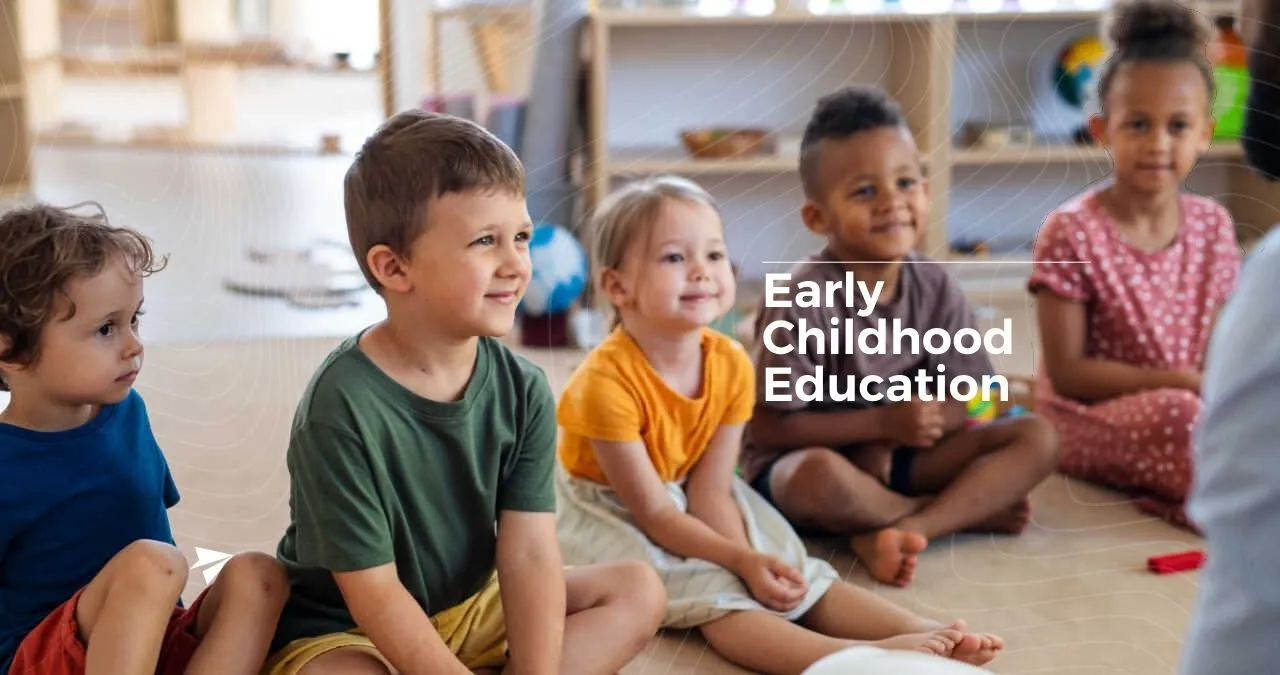
The Importance of Education for Young Children
The brain makes the strongest connections throughout the first few years of life. Studies suggest that kids who have a good early education do better in school and in social situations later in life. An early childhood educator supports kids through this important time by giving them structured activities that mix learning and play.
Kids learn best when they feel protected, appreciated, and supported. An early childhood educator who creates a supportive environment helps kids feel safe and independent. This foundation makes it easier for kids to move on to formal school.
Early childhood education can also assist find developmental delays or learning problems early on. Many problems can be solved before they become long-term problems with quick help and competent help.
Important Duties of an Early Childhood Teacher
An early childhood educator has a lot of different and important tasks to do every day. These experts arrange activities that help kids learn to talk, move, be creative, and engage with others. They make learning fun and interesting by using stories, music, art, and games.
A big part of their job is to watch. An early childhood educator keeps a close eye on each child’s progress, behavior, and emotional health. They keep records and provide parents feedback to make sure that kids get the same help at home and at school.
It is also important to keep the area clean and safe. Teachers teach kids how to share, work together, and take care of themselves. They help kids learn how to deal with their feelings, work out problems, and care for other people.
What You Need to Know to Be an Early Childhood Teacher
To be a good early childhood educator, you need a mix of technical and soft abilities. Patience is one of the most crucial traits because young kids grow at different speeds and need help all the time.
Teachers who can communicate well with kids, parents, and coworkers are better at their jobs. Creativity is just as crucial because fun lesson ideas typically include new activities and pretend play.
An early childhood educator must also have a high level of emotional intelligence. When you understand how kids feel and respond with empathy, you create trust and emotional security. To keep track of class routines, plan lessons, and keep records, you need to be organized.
Qualifications and Training for School
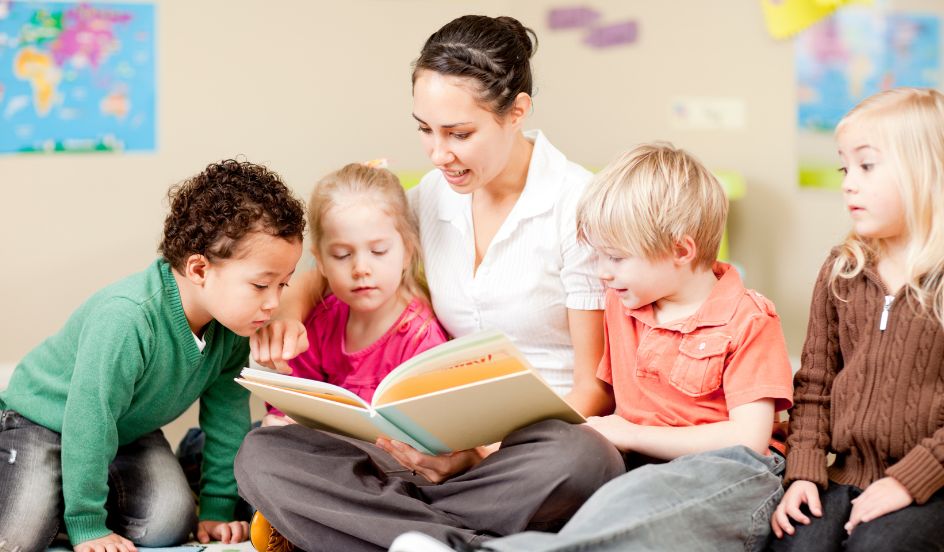
Most of the time, you need formal schooling and professional training to become an early childhood educator. A diploma or degree in early childhood education or child development is required in several countries. Child psychology, learning theories, classroom management, and curriculum development are some of the topics included in these programs.
A big component of getting qualified is getting hands-on experience. Student teachers get real-world experience by working with kids while being watched by more experienced teachers. It’s also important to keep learning new things, since instructional techniques and educational standards change over time.
Getting certified in first aid, child safety, and special needs education can help an early childhood educator’s career and make them more credible as a professional.
Jobs in Early Childhood Education
There are several different paths that an early childhood educator might take in their profession. A lot of people start their careers as preschool or childcare teachers. They can move on to jobs like curriculum coordinators, center directors, or education consultants with further schooling and experience.
Some early childhood teachers work just with kids who have learning impairments or developmental problems. Others work on making policies, training programs, or scholarly research.
There is a growing demand for qualified teachers all around the world. This makes teaching and child development a solid and satisfying career choice for people who love it.
Pay and Job Prospects
An early childhood educator’s pay depends on where they work, what their qualifications are, and how much experience they have. In many places, teachers who are just starting out don’t make a lot of money, but their pay goes up as they get more education and take on more leadership duties.
More money is being put into early education by both governments and private businesses, which makes jobs safer and better. The job market is still good because more and more people are realizing how important early childhood education is.
Many teachers find personal joy in shaping young lives and making the world a better place, not just in terms of money.

Problems that preschool teachers have to deal with
The job is fulfilling, but it also has its problems. Taking care of small kids demands a lot of energy and emotional strength. An early childhood teacher has to provide each child enough attention while still keeping the group in order.
Sometimes, the workload, paperwork, and talking to parents can be hard. Emotional exhaustion is something to worry about, especially if you don’t have enough support from your school. But teachers can get over these problems with the right training, teamwork, and self-care.
Even though it can be hard, many experts find it quite rewarding to watch children grow and do well.
The Role of Parents and the Community
An early childhood educator does not work alone. Working with parents and the community is very important for a child’s growth. Regular communication makes ensuring that what kids learn at home and at school is the same.
Teachers often help parents learn about good parenting, activities that help kids develop, and ways to assist their kids emotionally. Getting involved in the community through events, workshops, and cultural activities makes learning more fun for kids and helps them make friends.
This alliance offers a complete support structure that helps both kids and their families.
Using technology in early childhood education
More and more, modern early childhood education uses technology in a way that is balanced and appropriate for the child’s age. An early childhood educator might use digital tools to narrate stories, play interactive games, and test students’ knowledge.
Technology also helps teachers keep track of their students’ development, talk to parents, and find professional resources. But screen usage is closely watched to make sure it helps kids learn instead of taking the place of hands-on learning.
When used correctly, technology can help young children be more creative and learn more.
What an early childhood teacher should do to be moral
Ethics are very important in early childhood education. An early childhood teacher must respect each child’s unique personality, background, and pace of learning. It is important to be fair, professional, and keep things private.
Teachers are in charge of making sure that all students feel welcome and that everyone is treated equally. They must also follow child protection rules and make sure that every child they care for is safe and healthy.
Strong ethical standards help families trust you and keep the profession’s credibility.
Why would you want to work as an early childhood educator?
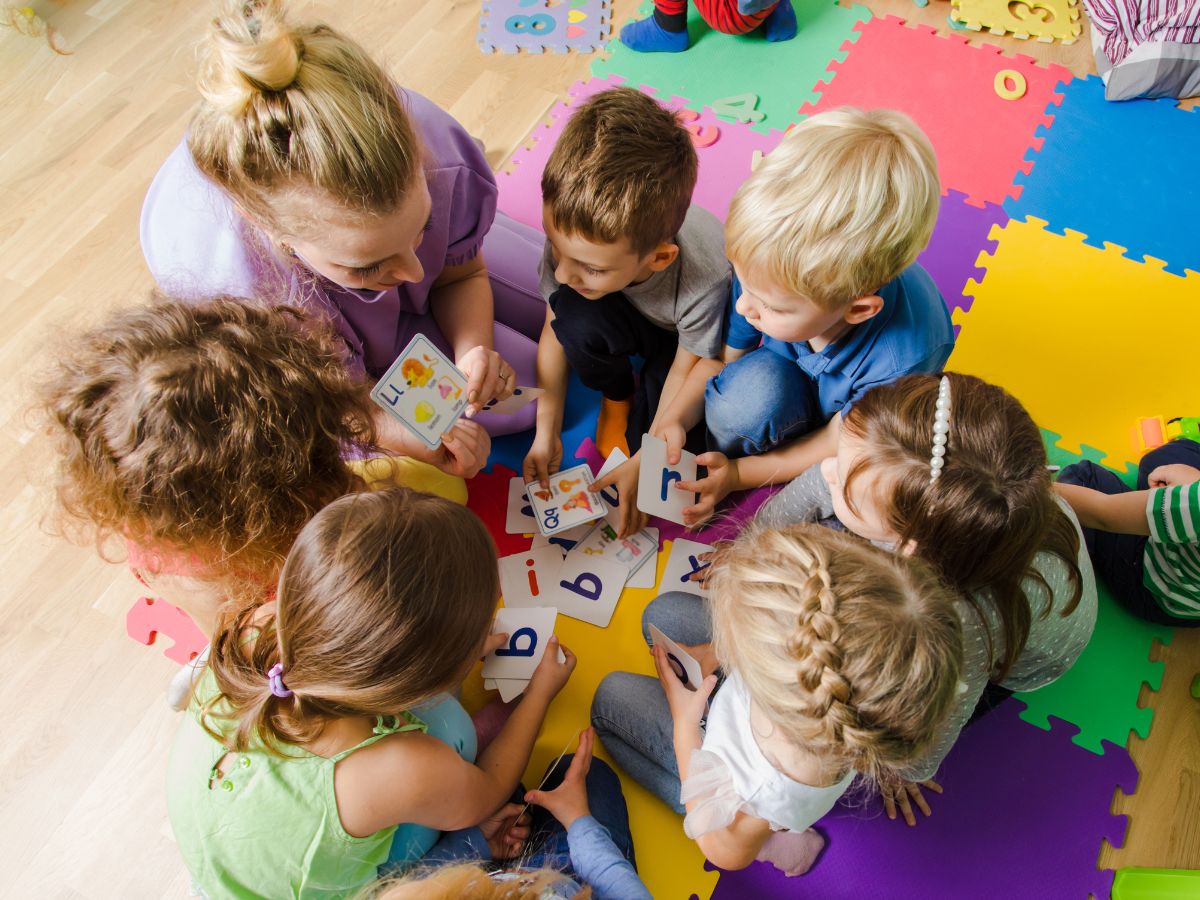
Becoming an early childhood educator is more than just a job choice; it’s a promise to shape the future. Not many jobs let you make such a lasting difference during the most important years of a person’s life.
Teachers see directly how young children grow, become curious, and like learning. The emotional benefits of helping a youngster thrive, feel good about themselves, and learn what they can do are beyond measure.
This job is very fulfilling for people who value purpose, creativity, and connecting with others.
The future of early childhood education
There is a lot of hope for the future of early childhood education. More and more, governments and organizations are putting early learning at the top of their list of things that will help the country grow. This change gives teachers fresh chances, better training programs, and better working conditions.
An early childhood educator will still be very important in creating new learning spaces that meet the changing requirements of kids. The profession will get more respect and recognition around the world as long as research and policy support continue.
Conclusion
An early childhood educator is an important part of lifetime learning and growth. These specialists help kids create a strong foundation for future success by encouraging curiosity, emotional intelligence, and social skills. The job requires hard work, kindness, and a willingness to learn all the time, but the benefits go far beyond the classroom.
As more and more people realize how important early education is, the need for experienced and committed teachers will only expand. The road is hard, important, and very important for those who chose this path.
Read More:- GMC Hummer Week 18 Playoff Scenarios Explained for NFL Fans