
Few wildlife encounters match the moment a silverback emerges from the mist-draped undergrowth and settles a few meters from you. Active Gorilla Safaris is built around that moment. It is a hands-on, trek-focused way to see mountain gorillas, one that rewards fitness, preparation and respect for the forest. This guide covers what an active gorilla safari involves, where to go, when to travel, what to pack and how to plan so the trip is memorable and responsible.
What Is an Active Gorilla Safari?
Most people picture a safari as a long game drive in a vehicle. An active gorilla safari is different. The main event is on foot, in dense montane forest, following trackers and rangers to a habituated gorilla family. The word “active” describes both the physical effort and the style of travel: more walking, more time in nature, and a closer connection to the landscape than a vehicle-based itinerary offers.
A typical active itinerary combines gorilla trekking with other low-impact adventures, such as:
- Chimpanzee tracking in forests like Kibale in Uganda
- Volcano hikes in Rwanda and the Virunga range
- Birding walks in the Albertine Rift, one of Africa’s richest bird regions
- Community walks and cultural experiences with communities living on the forest edge
- Canoeing or cycling around Lake Bunyonyi and similar highland areas
The result is a trip with a physical rhythm: early starts, muddy trails, rewarding encounters and comfortable evenings at a lodge.
Why Mountain Gorillas Deserve the Effort
Mountain gorillas are among the rarest great apes on Earth. Only around a thousand remain in the wild, split between the Virunga Massif, which spans Uganda, Rwanda and the Democratic Republic of Congo, and Uganda’s Bwindi Impenetrable National Park. Decades of conservation work, anti-poaching patrols and carefully managed tourism have helped numbers recover slowly from the brink.
Tourism is central to that recovery. Permit fees fund ranger salaries, park management and community projects, so a trek directly supports the survival of the species. When you join an active gorilla safari, you are doing more than sightseeing. You are contributing to the economic case for protecting these animals and their habitat.
Best Destinations for Active Gorilla Safaris
Uganda: Bwindi Impenetrable and Mgahinga
Bwindi is home to roughly half of the world’s mountain gorillas and offers several trekking sectors, including Buhoma, Ruhija, Rushaga and Nkuringo. Its steep, forested hills deliver a truly “impenetrable” experience, and treks can range from a gentle hour to a demanding half day. Mgahinga Gorilla National Park, on the Rwandan and Congolese border, offers a smaller, volcano-backed setting, and it is possible to combine it with golden monkey tracking.
Uganda is popular for active travelers because the permits are generally more affordable than in Rwanda, and the country pairs gorillas with chimpanzees, tree-climbing lions in Queen Elizabeth National Park, and the source of the Nile at Jinja.
Rwanda: Volcanoes National Park
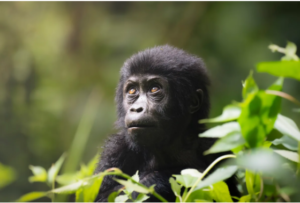
Volcanoes National Park is a short drive from Kigali, which makes it ideal for shorter trips. The terrain is often described as more open, with bamboo zones and volcanic slopes, though treks can still be steep and muddy. Rwanda’s higher permit price comes with excellent infrastructure, strong conservation credentials and the option of visiting Dian Fossey’s research site on a separate hike.
Democratic Republic of Congo: Virunga
Virunga National Park offers gorilla trekking in a spectacular setting, along with the chance to hike the Nyiragongo volcano. Security conditions in the region can change quickly, so travelers should check current government advice and use reputable operators before considering this option.
What to Expect on Trek Day
Understanding the flow of the day helps you prepare mentally and physically.
- Early briefing. You gather at the park headquarters, meet your guide and are assigned to a gorilla family. Groups are small, with a maximum of eight visitors per family.
- The trek. Rangers and trackers have usually located the group already. Hiking time can be as short as 30 minutes or as long as several hours, depending on where the gorillas fed and slept.
- The encounter. Once you reach the group, you leave your bags behind and approach quietly. You get one hour with the gorillas, watching them feed, play, groom and rest.
- Rules of respect. Visitors keep a minimum distance, speak softly, avoid flash photography and never eat or drink near the animals. Anyone showing signs of illness is not permitted to trek, which protects the gorillas from human diseases.
- The return. After the hour, you hike back, often with a certificate and a feeling that is hard to put into words.
Fitness and Physical Preparation
You do not need to be an athlete, but you do need reasonable fitness. Altitude, humidity and steep slopes make even short treks tiring. To prepare:
- Walk or hike regularly for several weeks before departure, ideally on hills or stairs.
- Break in your hiking boots well before the trip.
- Build leg and core strength with squats, lunges and light cardio.
- Stay hydrated and sleep well in the days before the trek.
Porters are available at most trailheads, and hiring one is encouraged. They carry your daypack, offer a steadying hand on slippery sections and the fee supports local families.
What to Pack
- Sturdy, waterproof hiking boots with good grip
- Long-sleeved shirts and long trousers in neutral colors to protect against nettles, insects and scratches
- A lightweight waterproof jacket, since rain is possible at any time of year
- Gardening gloves for gripping vegetation
- Gaiters or long socks to keep out ants and mud
- Insect repellent, sunscreen and a hat
- A camera with a fast lens and no flash, plus spare batteries and a waterproof bag
- A refillable water bottle and light snacks
Permits, Costs and Booking
A gorilla trekking permit is the essential ticket. Permits are limited because each gorilla family is visited by only one group per day, so they sell out, particularly in peak months. Prices differ by country, with Rwanda’s permits significantly higher than Uganda’s, and fees are revised from time to time. Always confirm current rates with the national parks authority or your operator before budgeting.
Book permits as early as possible, ideally six to twelve months ahead for peak seasons. Your operator will usually handle permit reservations, accommodation, transfers and any extension activities, which makes planning far simpler than arranging each piece yourself.
Best Time to Go
Gorilla trekking runs year-round, but conditions vary:
- Dry seasons (roughly June to September and December to February): Trails are drier and easier, and photography conditions are generally better. These are also the busiest and most expensive months.
- Wet seasons (roughly March to May and October to November): Trails are muddier and more challenging, but crowds are thinner, the forest is lush and lodges may offer lower rates.
Remember that the forest is a rainforest. Rain can fall in any month, so pack accordingly.
Responsible and Ethical Travel
An active gorilla safari should leave the forest and its people better off. Choose operators who:
- Follow park rules strictly and respect the one-hour limit and distance guidelines
- Employ and train local guides and staff
- Support community projects, conservation initiatives and fair wages
- Minimize plastic and waste, and work with lodges that practice sustainable operations
Travelers can add to this impact by buying crafts directly from local artisans, tipping porters and guides fairly and following health protocols, including staying home if sick.
Key Takeaways
- Active gorilla safaris center on trekking on foot, combining wildlife encounters with hiking, birding and cultural experiences.
- Uganda, Rwanda and the DRC are the only places to see wild mountain gorillas, each with different costs, terrain and logistics.
- Permits are limited and fees fund conservation, so book early and confirm current prices.
- Reasonable fitness, proper footwear and layered, waterproof clothing make the trek far more enjoyable.
- You get one hour with the gorillas, and strict rules protect both visitors and animals.
- Hiring a porter and choosing responsible operators multiplies the positive impact of your trip.
- Dry seasons are easier underfoot, while wet seasons offer fewer crowds and lush scenery.
Conclusion
An active gorilla safari is one of the most rewarding wildlife experiences available. It asks something of you, in sweat, mud and early mornings, and returns something far larger: an hour in the presence of a species that nearly vanished and is slowly, fragilely recovering. With the right preparation, early permit booking and a commitment to responsible travel, the journey becomes more than a holiday. It becomes a direct contribution to the future of mountain gorillas and the communities who live beside them. If you are ready for an adventure that combines physical challenge, natural beauty and meaningful conservation, active gorilla safaris deserve a place at the top of your travel list.
Frequently Asked Questions
- What makes an active gorilla safari different from a standard safari?
It emphasizes walking and hands-on exploration rather than long vehicle drives. The core activity is trekking through forest to find gorilla families, often combined with other hikes and nature activities. - How fit do I need to be?
Moderate fitness is enough for most people. Treks can last from under an hour to several hours over steep, muddy terrain, so regular walking and hill training beforehand will help. Porters are available if you need support. - How long do I spend with the gorillas?
The standard visit is one hour once you find the group. This limit protects the animals and reduces stress and disease risk. - Is there a minimum age for gorilla trekking?
Yes. The minimum age is generally 15 years in the main trekking destinations, and rangers may check ages at the briefing. - How far in advance should I book a permit?
For peak seasons, book six to twelve months ahead. Permits are capped daily and sell out quickly, so early booking gives you the best choice of dates and locations. - Is gorilla trekking safe?
It is considered very safe when you follow the guides’ instructions. Rangers are armed and experienced, gorillas are habituated to human presence and strict rules keep interactions calm and respectful. - Can I trek if I have a cold or other illness?
Usually not. Gorillas are susceptible to human respiratory illnesses, so rangers may refuse entry to anyone who appears unwell. - What is the best country for a first-time gorilla trek?
Uganda suits travelers who want lower permit costs and varied add-on activities. Rwanda suits those with less time or a larger budget, thanks to its easy access from Kigali and strong infrastructure. - Do I need a guide or tour operator?
Treks are guided by park rangers, but a reputable operator simplifies permits, transfers, lodging and itinerary planning, and often improves the overall experience. - How can I make my trip more sustainable?
Choose operators and lodges that support local employment and conservation, hire a porter, avoid single-use plastics, follow all park rules and buy from local artisans.