
Introduction
Paris Saint-Germain is more than a football club; it is a modern sporting institution that reflects ambition, identity, and global reach. Founded in the heart of France’s capital, the club has grown from a local project into one of the most recognizable names in international football. This article explores the complete journey of the Paris-based club, from its origins and early struggles to its transformation into a global powerhouse, examining sporting success, cultural influence, financial growth, and its role in shaping modern football.
Origins and Foundation of the Club
The story of Paris Saint-Germain begins in 1970, when the idea of creating a strong football club to represent Paris became a reality. At that time, the French capital lacked a dominant football presence compared to other European cities. The merger between Paris FC and Stade Saint-Germain created a new entity with big dreams and a clear mission: to establish Paris as a major footballing city.
The early years were filled with challenges, including administrative changes and sporting instability. Despite these obstacles, the club quickly gained attention due to its location, fan support, and ambition. The identity of the club was shaped around the city of Paris itself, blending sport, culture, and pride into a single symbol that resonated with supporters across France.
Rise Through French Football
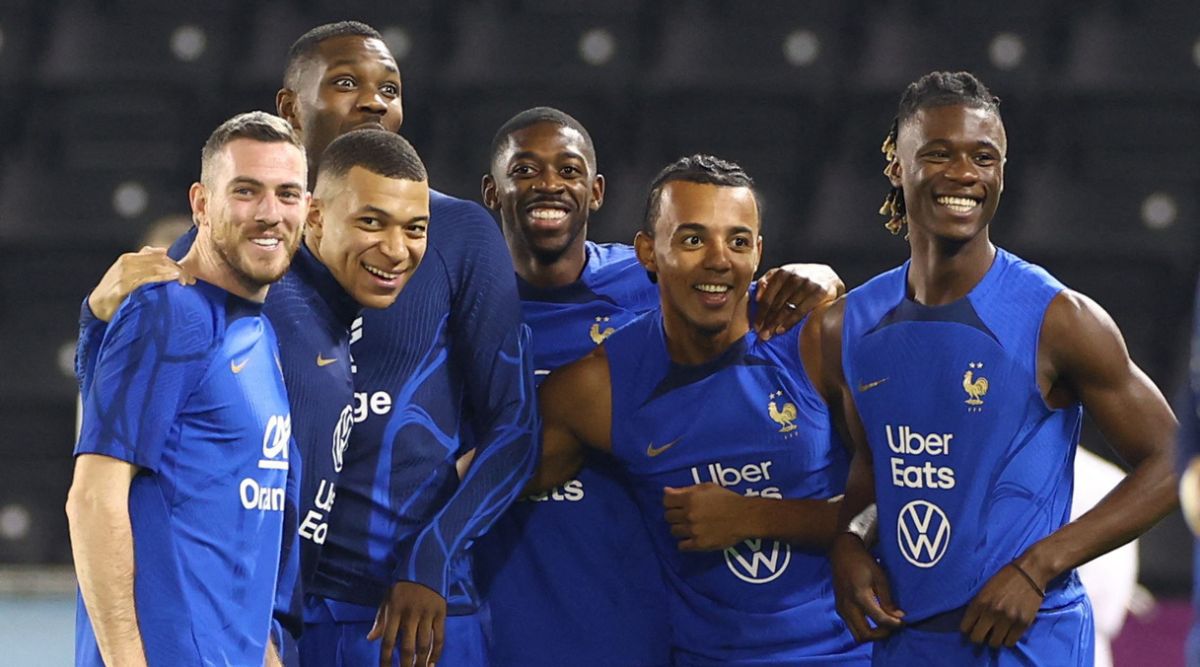
Progress through the French football system was steady. Promotions, relegations, and rebuilding phases tested the resilience of the club. Over time, Paris Saint-Germain developed a competitive squad and began attracting talented players from across the country.
The first major successes came in domestic cup competitions, which helped establish credibility and build confidence. Winning trophies allowed the club to gain experience on bigger stages and develop a winning mentality. These formative years laid the groundwork for future dominance and helped create a loyal fan base that believed in the long-term vision.
Establishing a Strong Identity
A football club’s identity is shaped by its colors, stadium, supporters, and philosophy. Paris Saint-Germain embraced all these elements with clarity. The club’s colors became instantly recognizable, symbolizing elegance and power. The Parc des Princes stadium evolved into a fortress where memorable matches and historic moments unfolded.
Supporters played a crucial role in defining the atmosphere and character of the club. Passionate chants, visual displays, and unwavering loyalty created a strong connection between the team and its fans. This identity was not just about winning matches but about representing Paris on a national and international level.
Entry Into European Competitions
Participation in European tournaments marked a significant step in the club’s development. Competing against established European teams exposed Paris Saint-Germain to higher standards and tougher competition. These experiences highlighted strengths and weaknesses, encouraging investment in squad depth, infrastructure, and management.
Although early European campaigns brought mixed results, they provided valuable lessons. The club learned how to handle pressure, manage expectations, and compete beyond domestic borders. Over time, European nights in Paris became events that attracted global attention.
Transformation Into a Global Power

A major turning point in the club’s history came with significant investment that reshaped its ambitions and capabilities. This transformation elevated the club into the global spotlight, enabling it to sign world-class players and improve facilities. The arrival of elite talent changed perceptions and raised expectations almost overnight.
During this era, psg became a symbol of modern football’s financial power and global appeal. The club’s strategy combined sporting ambition with brand development, ensuring visibility far beyond the pitch. Matches began attracting international audiences, and the club’s merchandise reached fans across continents.
Iconic Players and Star Power
Star players have always been central to the club’s rise. Legendary names contributed not only goals and trophies but also charisma and global recognition. These players brought experience from top leagues and competitions, helping elevate the overall quality of the squad.
The presence of international superstars turned Paris Saint-Germain into a destination club. Young talents were inspired to join, knowing they would train and compete alongside some of the best players in the world. This blend of youth and experience became a defining feature of the team.
Domestic Dominance in France

Sustained success in domestic competitions solidified the club’s reputation as a dominant force in French football. League titles, cup victories, and consistent top-level performances demonstrated superiority and consistency.
This period of dominance was built on tactical discipline, squad depth, and strong leadership. Managers played a key role in balancing attacking flair with defensive stability. As a result, psg set new standards in domestic football, challenging rivals to adapt and improve.
Tactical Evolution and Playing Style
The playing style of Paris Saint-Germain evolved over the years, influenced by managers, players, and competition demands. Initially focused on technical skill and creativity, the team gradually incorporated tactical flexibility and physical strength.
Modern football requires adaptability, and the club embraced this reality. Different formations, pressing systems, and attacking patterns were introduced to compete effectively on multiple fronts. This evolution ensured that the team remained competitive in both domestic and international competitions.
Youth Development and Academy System
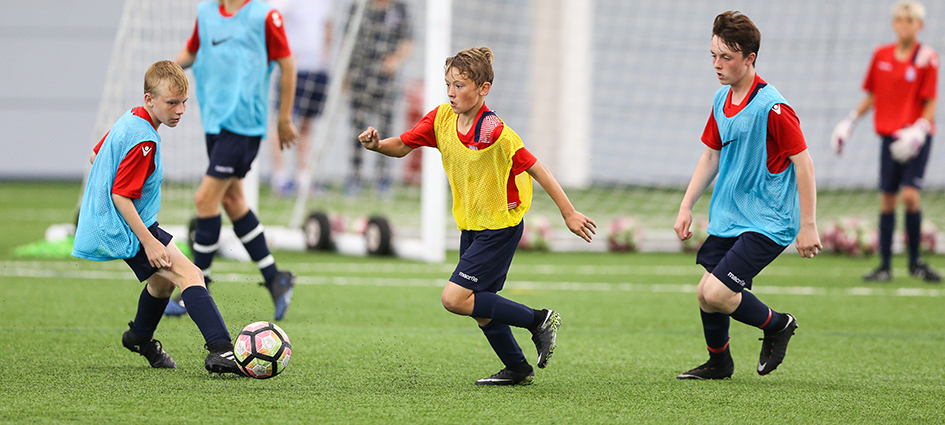
While star signings captured headlines, youth development remained an important aspect of the club’s philosophy. Investing in training facilities and coaching staff allowed young players to develop their skills within a professional environment.
The academy became a source of pride, producing players who understood the club’s values and playing style. Integrating academy graduates into the first team strengthened the connection between the club and its community. This balance between homegrown talent and international stars contributed to long-term sustainability.
Financial Growth and Business Strategy
Off the pitch, Paris Saint-Germain transformed into a powerful business entity. Strategic partnerships, sponsorship deals, and global marketing campaigns expanded revenue streams. The club’s brand became associated with luxury, fashion, and innovation.
Merchandising played a key role in this growth. Shirts, accessories, and collaborations reached fans worldwide, turning supporters into brand ambassadors. This commercial success supported continued investment in players and infrastructure, creating a cycle of growth and ambition.
Table 1: Key Milestones in Club History
| Year | Milestone Description |
|---|---|
| 1970 | Formation of Paris Saint-Germain |
| 1980s | First major domestic trophies |
| 1990s | Regular participation in Europe |
| 2010s | Era of heavy investment and global expansion |
| 2020s | Continued domestic dominance and European ambition |
Cultural Impact and Global Fan Base
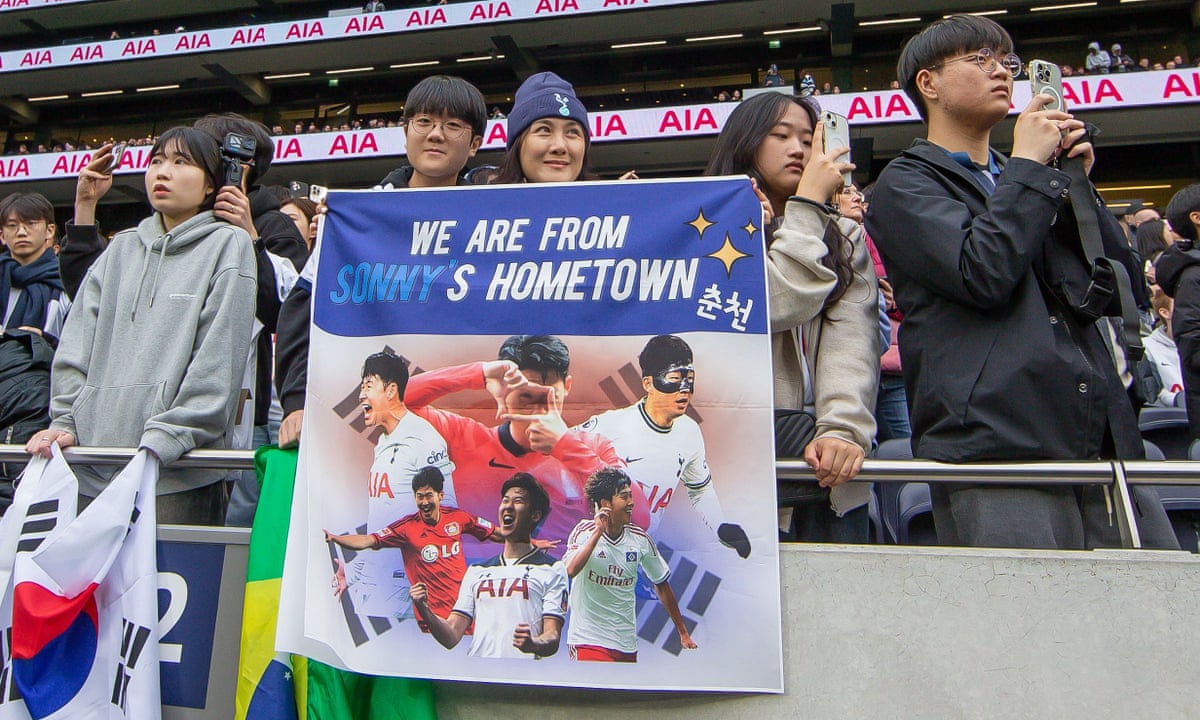
Beyond football, the club influenced culture, fashion, and popular media. Collaborations with designers and artists helped bridge the gap between sport and lifestyle. This cultural relevance attracted new audiences who may not have been traditional football fans.
The global fan base grew rapidly, supported by digital platforms and international tours. Supporters from different countries connected with the club’s image, values, and star players. For many, psg represented a modern, ambitious vision of football that extended beyond the game itself.
Rivalries and Competitive Spirit
Rivalries add intensity and emotion to football, and Paris Saint-Germain developed several high-profile ones. Domestic clashes brought passion and drama, while European rivalries tested the club against the continent’s elite.
These matches often defined seasons and shaped narratives. Winning rivalry games boosted confidence and strengthened the bond with supporters. Losing them provided motivation to improve and return stronger.
Challenges and Criticism
With success came scrutiny. High expectations, financial regulations, and pressure to perform in Europe presented ongoing challenges. Critics questioned spending strategies and managerial decisions, while supporters demanded consistent excellence.
Handling criticism required strong leadership and clear communication. The club responded by refining its approach, focusing on squad balance, and emphasizing long-term planning. These lessons helped build resilience and maturity.
Table 2: Areas of Club Development
| Area | Description |
|---|---|
| Sporting Performance | Focus on domestic titles and European success |
| Youth Academy | Development of local and international talent |
| Commercial Growth | Expansion of global brand and partnerships |
| Fan Engagement | Digital platforms and international outreach |
The Role of Leadership and Management
Strong leadership played a vital role in guiding the club through periods of change. Executives, sporting directors, and managers worked together to align goals and strategies. Decision-making at the top influenced everything from player recruitment to community engagement.
Stability in management allowed long-term projects to take shape. When leadership aligned with vision, the club moved forward with confidence and clarity.
Community Engagement and Social Responsibility

Paris Saint-Germain also invested in social initiatives, using football as a tool for positive change. Community programs supported youth development, education, and inclusion. These efforts strengthened ties with local communities and reinforced the club’s social responsibility.
By promoting values such as teamwork and respect, the club extended its influence beyond the pitch. These initiatives demonstrated that success could be measured not only in trophies but also in impact.
European Ambitions and the Pursuit of Glory
Competing at the highest level in Europe remains a central ambition. Each campaign brings renewed hope and determination. Lessons from past experiences guide preparation and strategy, ensuring continuous improvement.
The pursuit of continental glory drives investment, innovation, and motivation. For players, supporters, and management alike, European success represents the ultimate achievement and a defining chapter in the club’s story.
The Modern Era and Future Outlook
Today, Paris Saint-Germain stands as a symbol of modern football’s possibilities and challenges. The club combines tradition with innovation, local roots with global reach. Its journey reflects the evolution of the sport itself, shaped by technology, finance, and cultural exchange.
Looking ahead, sustainability and balance will be key. Investing in youth, maintaining financial responsibility, and nurturing fan relationships will determine future success. With a strong foundation and clear vision, psg is well positioned to continue influencing football on a global scale.
Conclusion
The journey of Paris Saint-Germain is a story of ambition, transformation, and identity. From modest beginnings to global prominence, the club has navigated challenges and embraced opportunities. Its impact extends beyond trophies, shaping culture, business, and the modern football landscape.
As the club continues to evolve, its legacy grows richer and more complex. With passionate supporters, talented players, and ambitious leadership, psg remains a powerful force whose story is still being written, inspiring fans and shaping the future of the game.
Read More:- ViralTips Online Guide: Smart Digital Trends, Growth and Earning!